


For decades, the cinema experience was a cultural ritual: fans lining up for midnight premieres, theaters buzzing with excitement, and blockbuster releases sparking nationwide conversation. Today, however, the box office landscape looks markedly different.
Attendance is down across genres, tentpole films underperform, and marketing campaigns struggle to generate the same excitement. Could the lingering effects of COVID-19 and increased social separation be at the heart of this shift?
The pandemic disrupted more than just theater operations; it rewired audience habits. Lockdowns and social distancing forced millions to consume films at home for the first time. Many discovered the convenience of streaming services. Platforms like Netflix, Disney+, and Prime Video provided immediate access to new releases without the logistical hurdles of theaters.

Even as restrictions eased, the comfort and control of at-home viewing have persisted. This created a long-term shift in behavior that studios are still grappling with.
Social separation also affects the collective excitement that fuels box office success. Films aren’t just entertainment—they’re social experiences. Pre-pandemic, hype was amplified by watercooler conversations, shared anticipation, and communal viewing events. Today, with fewer opportunities for in-person gatherings, that buzz is fragmented.
Online chatter exists. But the energy of thousands of people reacting simultaneously in a theater or at a fan event cannot be fully replicated virtually.

Additionally, the economic and psychological fallout of COVID may play a role. Many audiences remain cautious about large indoor gatherings. Rising living costs can make theater tickets and concessions feel like luxury expenses rather than routine entertainment.
At the same time, viewers now have unprecedented access to a massive library of content at home. This further dilutes the urgency to attend in-person screenings.
The effect is visible in both blockbuster and mid-tier releases. Tentpole films that might once have guaranteed opening-weekend records now see lower numbers than projections predicted.
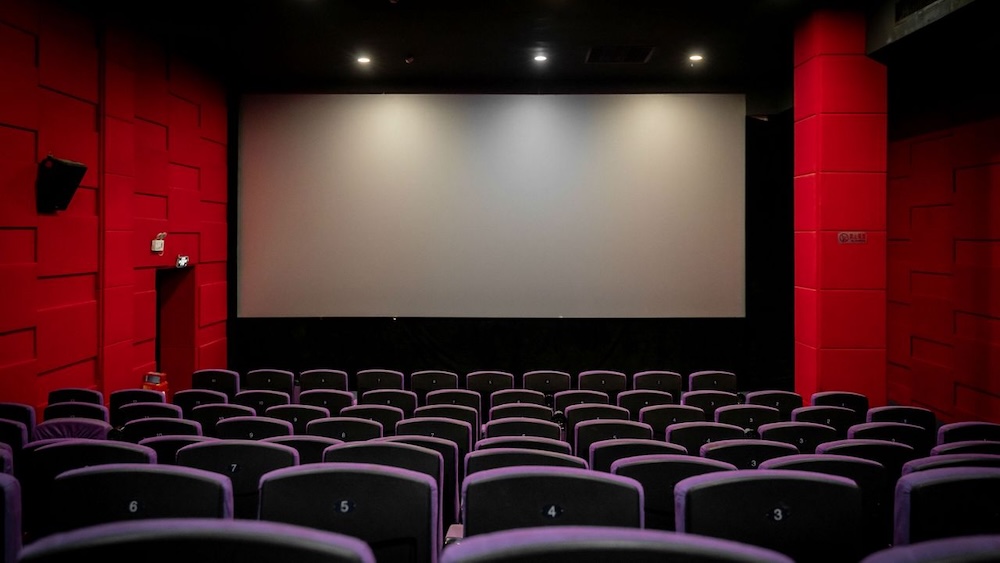
Even high-profile marketing campaigns struggle to convert awareness into attendance because the emotional connection and communal anticipation, the things that make people prioritize a theater experience, have diminished.
While studios experiment with hybrid releases, shorter theatrical windows, and streaming-first strategies, the industry faces a fundamental question: how to restore the sense of shared excitement that once made movies an event.

The decline in box office numbers is not solely about the content; it’s about the context of consumption, shaped by social isolation, lingering pandemic habits, and evolving audience expectations.
Ultimately, the post-COVID cinema era challenges the industry to adapt. Films must not only entertain but also convince viewers that the theater experience is worth leaving the house for, a task that may require innovation in storytelling, marketing, and immersive experiences.