
The Game Awards 2025 were less about surprise trophies and more about signals. The night still delivered its usual mix of cinematic trailers, orchestral performances, and celebrity cameos. The bigger story was what the winners and nominees revealed about where gaming is headed in 2026.
First, storytelling continues to be king. Narrative-driven games dominated the major categories, reinforcing the idea that players aren’t just looking for polished mechanics anymore; they want emotional payoff. Studios invested heavily in character development, branching narratives, and cinematic presentation. This paid off hugely.
This proves that games competing with prestige TV and film aren’t just marketing talk. It’s now the expectation.
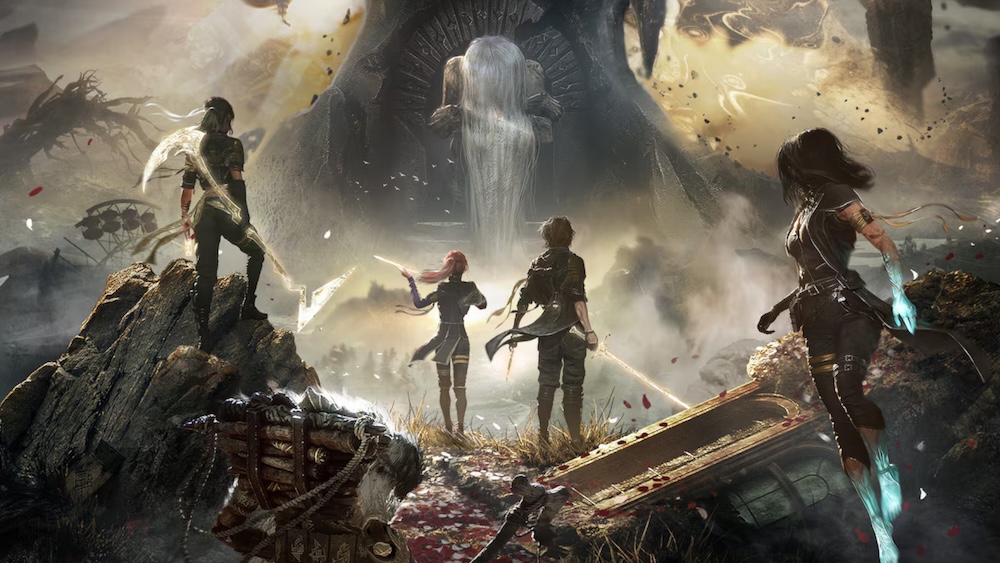
Indie games also had a massive showing this year, and not in the “nice to acknowledge” way. Several indie titles walked away with top honors, outperforming AAA competitors with far larger budgets. The takeaway is clear: originality and risk are paying off. As development costs balloon across the industry, smaller studios are filling the creative gaps with tighter experiences and bolder ideas.
Expect publishers in 2026 to chase that success by funding more mid-scale and experimental projects.
Another major trend reinforced by the awards: accessibility is non-negotiable. Games recognized for inclusive design, from customizable difficulty settings to robust assistive features, were no longer treated as outliers. Accessibility is now part of the baseline for award-worthy games, and studios that ignore it risk falling behind both critically and commercially.
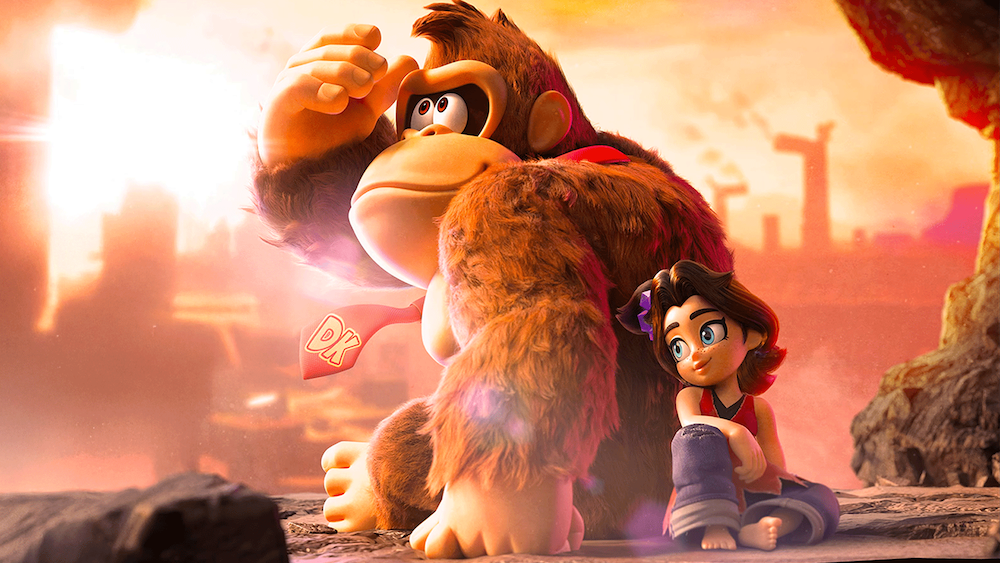
The Game Awards also highlighted a genre shift. Traditional open-world bloat appears to be losing ground to more focused, curated experiences. Several winners favored density over scale, offering smaller worlds packed with meaningful content instead of massive maps filled with busywork.
This suggests that in 2026, we may see fewer “hundred-hour” epics and more games that respect players’ time while still delivering depth.
On the technical side, performance and polish mattered more than flashy visuals. Games that launched cleanly and ran well across platforms were celebrated, while those with rocky releases struggled to maintain momentum. After years of high-profile launch disasters, the industry is correcting course, and players are rewarding developers who do it right.

Perhaps most importantly, the 2025 awards showed a growing convergence between games and other media. Several adaptations, cross-media collaborations, and IP-driven projects were front and center, signaling that games are now a core pillar of modern entertainment, not a side branch. With Hollywood increasingly looking to gaming for its next big franchise, this crossover is only going to deepen in 2026.
In the end, The Game Awards 2025 weren’t just a celebration of the year that was; they were a roadmap to 2026 and beyond. The future of gaming appears to be more narrative-driven, inclusive, experimental, and intentional. If the industry follows through on what this year’s winners represented, 2026 could be one of the most creatively exciting years gaming has ever seen.