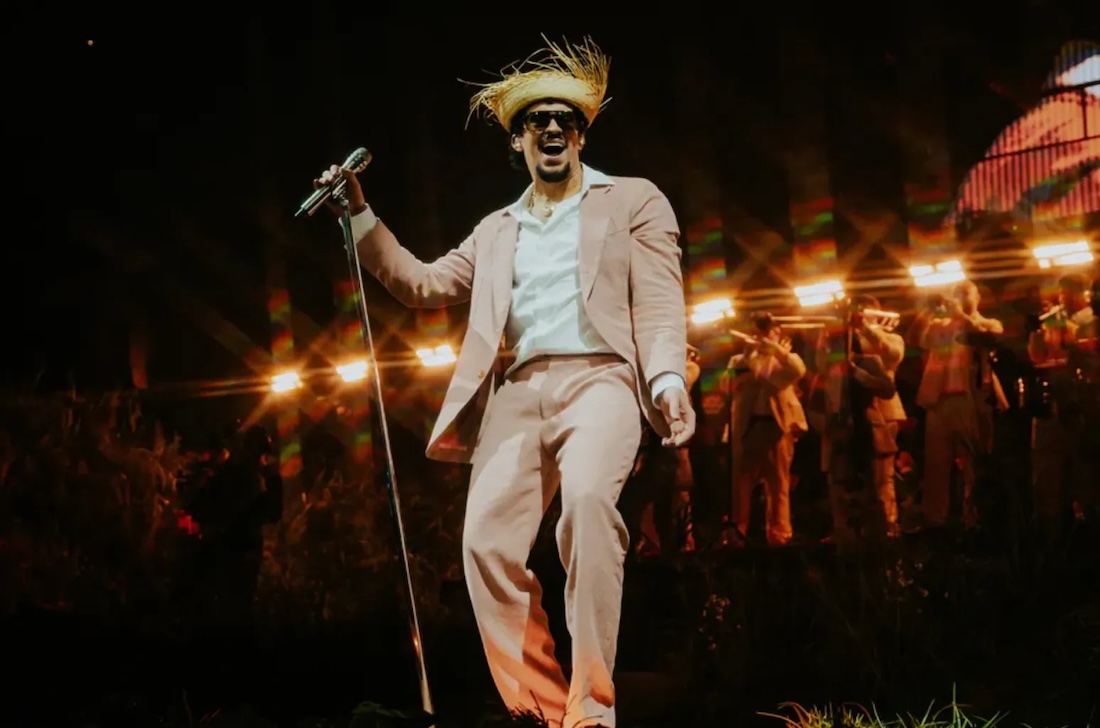
The Bad Bunny Super Bowl halftime show didn’t just spark excitement. It triggered a level of performative celebration that revealed more about the country’s political and cultural temperature than about the music itself.
In preparation for the big game, watch parties across the nation leaned hard into spectacle. Super Bowl gatherings rebranded theme décor, renamed events, and curated social media moments designed less around football and more around signaling cultural alignment.
What might have once been organic enthusiasm increasingly took on the tone of intentional provocation. Provocation aimed imagined opposition rather than simple enjoyment of the performance.
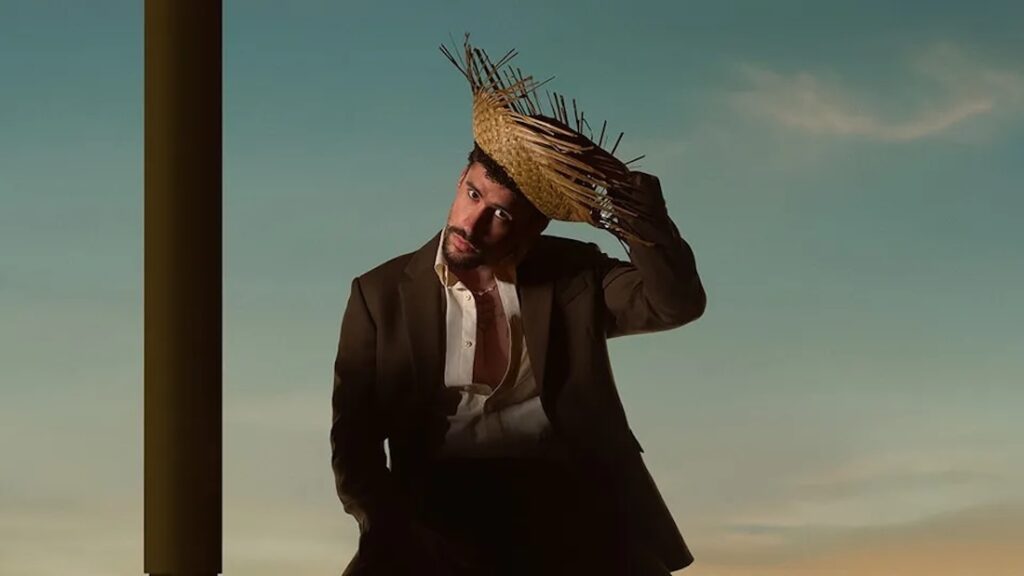
This is where modern troll culture enters the conversation. Not from the political right. From a liberal online ecosystem that has grown comfortable using irony, exaggeration, and cultural dominance as tools of mockery. The Bad Bunny halftime show became less about celebrating a global artist and more about flaunting perceived moral and cultural superiority.
Watch parties weren’t just parties; they were statements.
Social media amplified the moment. Videos and posts framed the event as a victory lap, often positioning critics, real or assumed, as out-of-touch, regressive, or hostile to diversity. In many cases, the outrage’s preemptively manufactured, with users reacting loudly to opposition that hadn’t meaningfully materialized.
A Vicious Cycle
The result was a feedback loop of overreaction feeding on itself, turning a pop culture milestone into a political performance.
This dynamic highlights a broader shift in American culture. Troll behavior’s no longer confined to the fringes or tied to a single ideology. It has been normalized, weaponized, and, in this case, celebrated by those who believe themselves to be on the “correct” side of history.
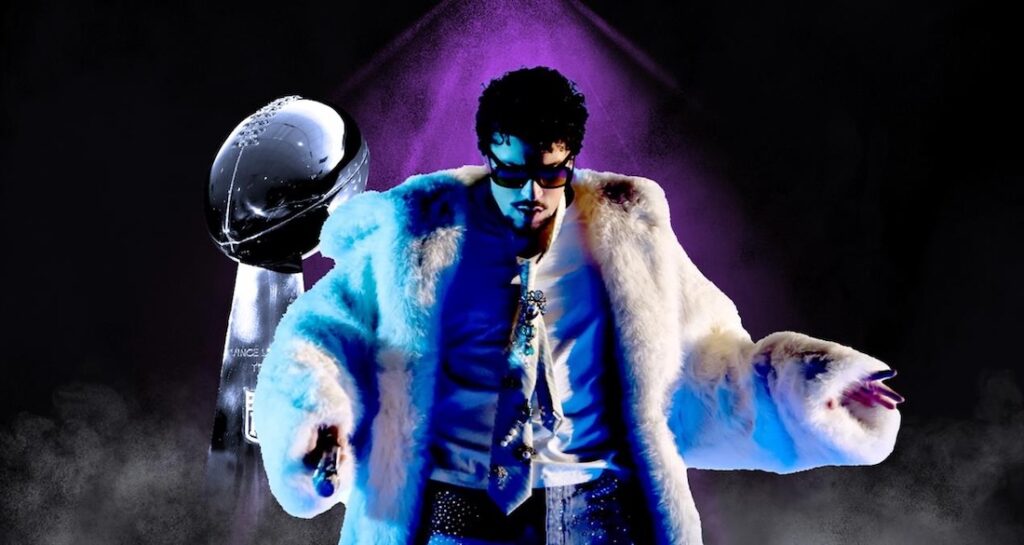
Excessive celebration became a form of soft aggression, using culture as a cudgel rather than a bridge.
None of this diminishes Bad Bunny’s impact or success. His rise and influence are undeniable, and his presence on one of the world’s biggest stages is historically significant. But the national reaction surrounding the halftime show underscores how fractured shared cultural moments have become.
The Super Bowl used to be one of the last events that cut across political and cultural lines. Now, even the halftime show serves as a mirror, reflecting a nation more interested in trolling one another than simply enjoying the moment together.