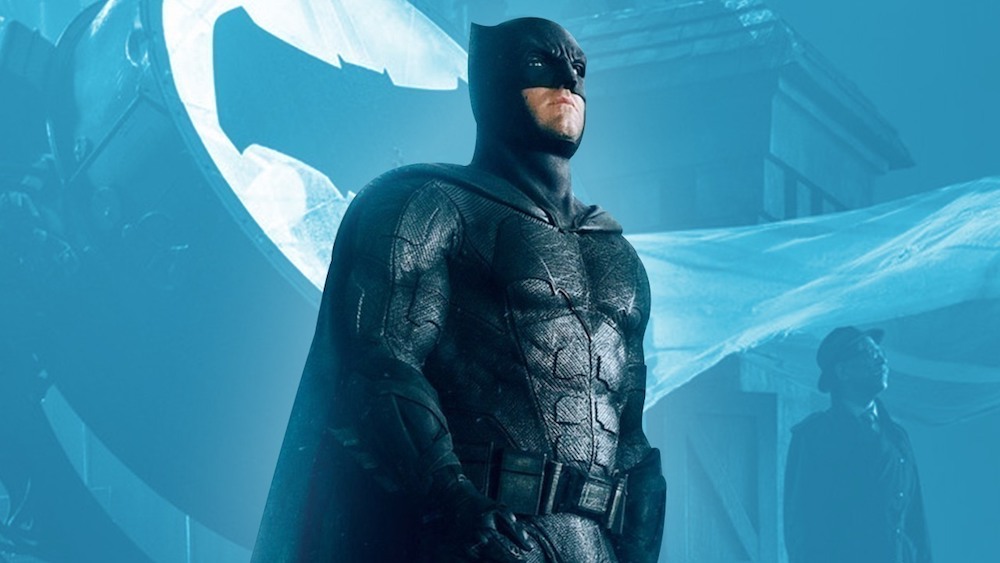


Warner Bros. is taking a hard look at its theatrical release strategy following a sluggish start to the 2026 box office, and the implications could ripple across the entire film industry. With several early-year releases underperforming expectations, the studio appears ready to rethink how it distributes content in a rapidly evolving entertainment landscape.
Industry chatter this week points to a growing internal shift: fewer wide theatrical releases for mid-budget films and a stronger emphasis on event-level projects that can justify the big-screen experience. It’s a move that reflects a broader reality facing Hollywood. Audiences are still showing up—but only when a film feels like a must-see spectacle.
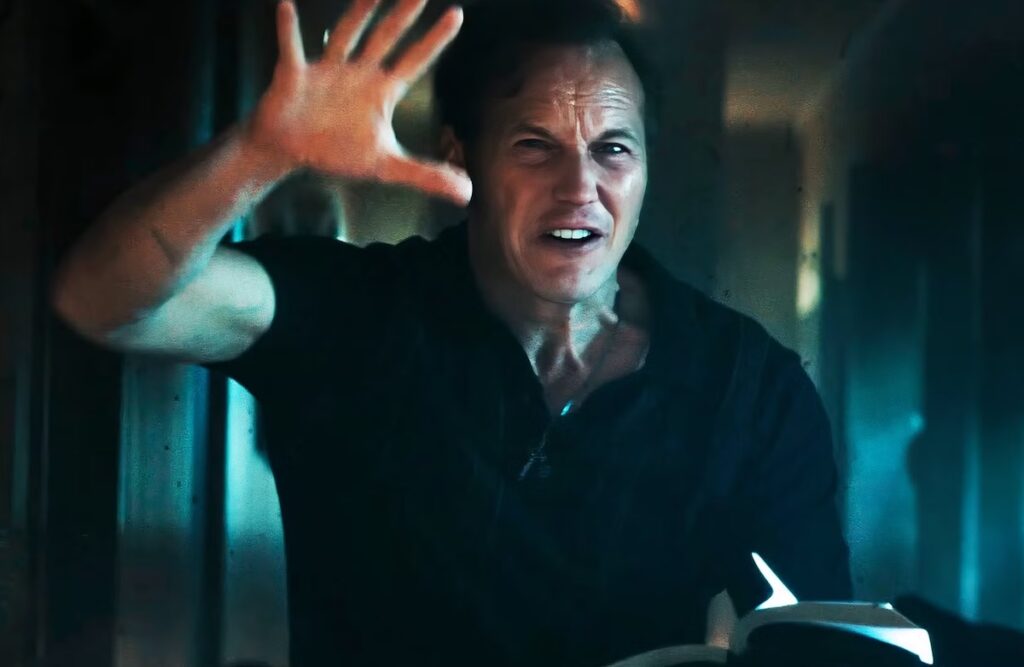
Mid-tier movies, once the backbone of theatrical programming, are now caught in a difficult position. They’re often too expensive for streaming-first strategies but not large enough to consistently draw crowds in theaters. Warner Bros. seems to be addressing that gap by accelerating the transition of certain films to digital platforms, reducing the financial risk tied to extended theatrical runs.
At the same time, the studio is doubling down on franchise-heavy releases and recognizable IP. These projects continue to perform more reliably, especially when paired with premium formats like IMAX and Dolby Cinema. The strategy isn’t just about revenue, it’s about redefining what audiences expect from a trip to the movies.

The timing of this shift is critical. The expectations for a rebound year in 2026 fell flat. Early indicators suggest that the studio’s recovery remain uneven. Studios now have to adapt in real time, balancing traditional distribution models with the realities of modern viewing habits.
For Warner Bros., success will depend on execution. A streamlined slate could improve overall performance, but it also raises questions about diversity in storytelling. If fewer films make it to theaters, audiences may see a narrower range of genres on the big screen.

Still, the potential upside is clear. By focusing on high-impact releases and leveraging streaming for smaller projects, Warner Bros. could create a more sustainable model moving forward. If the approach works, it won’t stay isolated for long. Other studios are watching closely, and may soon follow suit.