
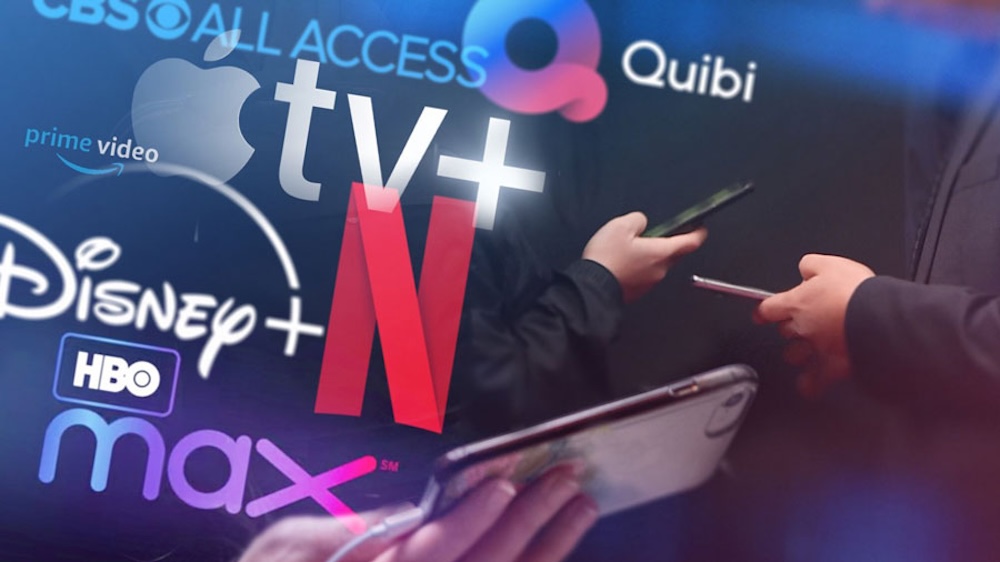
After years of nonstop growth, the streaming landscape has finally hit a plateau. The “Streaming Wars” that once fueled billion-dollar expansions, massive content budgets, and endless subscriber grabs are shifting gears. Netflix, Disney+, Prime Video, and HBO Max have stopped racing for market dominance. They have started fighting a quieter, more complicated battle for survival, loyalty, and sustainability.
In this new phase, Streaming Wars 2.0, the game isn’t about who has the most subscribers. It’s about who can keep them.
The industry is settling into an uneasy balance. Viewers have grown weary of juggling multiple subscriptions, and studios are realizing that the old “build it and they will binge” approach no longer pays off. The result? A tightening ecosystem where ad-supported tiers, bundle deals, and niche services are taking center stage.
Netflix’s recent success with its ad tier, once considered a desperate pivot, now looks visionary. Disney+ and Hulu are following suit with aggressive ad integrations and bundled offerings, effectively reintroducing viewers to a more polished version of cable television. The streaming dream is looping back to its roots: fewer subscriptions, more ads, and cheaper plans that keep people from hitting “cancel.”
Meanwhile, niche streamers are finding space to thrive. Services like Crunchyroll, Shudder, and Criterion Channel have carved loyal communities around targeted genres. Their success proves that the future of streaming may not belong to the giants at all, but to smaller players who understand their audiences better than algorithms ever could.
International growth is another defining trend. Platforms are investing heavily in localized content, from Korean thrillers and Spanish dramas to Indian blockbusters, not only to draw in global subscribers, but to keep Western audiences hooked on fresh storytelling. The next “Squid Game” or “Money Heist” isn’t just inevitable; it’s essential.
Then there’s the creator-led revolution quietly brewing in the background. As Hollywood navigates labor unrest and shifting power dynamics, some filmmakers and showrunners are exploring direct-to-fan models. Independent platforms like Nebula or Dropout are giving creators control of their content and communities, challenging the old studio system from the ground up.
Streaming Wars 2.0 isn’t as flashy as the first round; there are fewer new platforms, fewer splashy launches. But this era might prove more transformative. The next winners won’t be the streamers with the deepest pockets. They’ll be the ones who learn to do what television forgot: listen to the audience.