
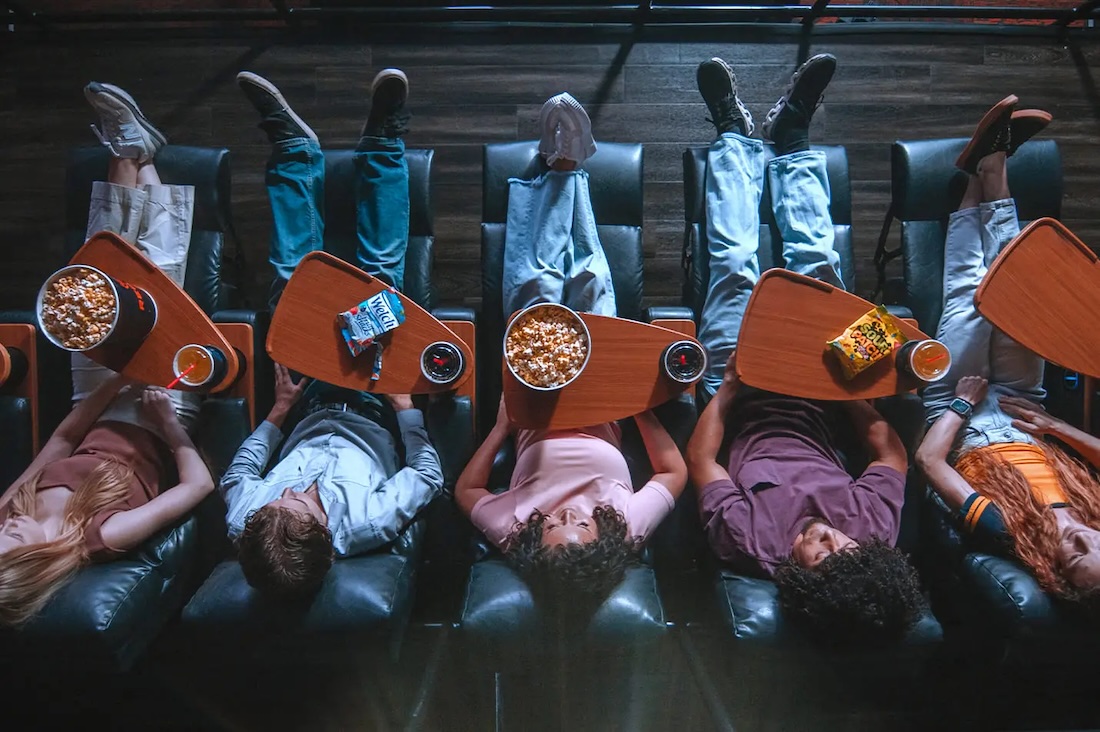
Movie theaters spent the last decade fighting a battle against the living room. Streaming services offered convenience. Home theaters offered comfort. Theater chains needed a way to compete. Many responded with oversized recliners, heated seats, and luxury lounge-style auditoriums.
The upgrades delivered comfort, but they may have cost theaters something far more valuable.
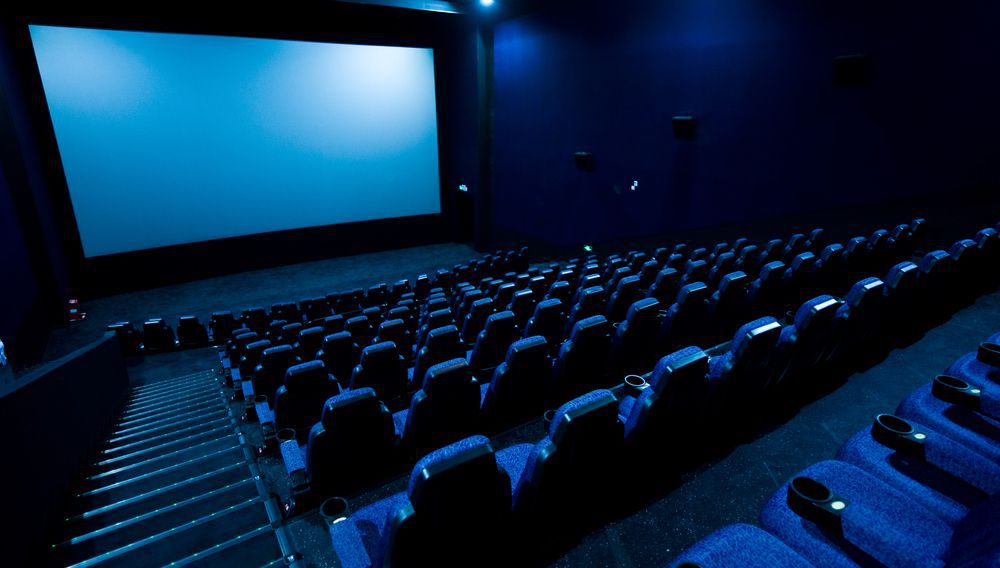
For decades, moviegoing was a shared experience. Hundreds of people filled a single auditorium. Audiences laughed together, gasped together, and applauded together. A packed opening-night crowd could transform an average film into a memorable event.
Recliner seating changed that dynamic.
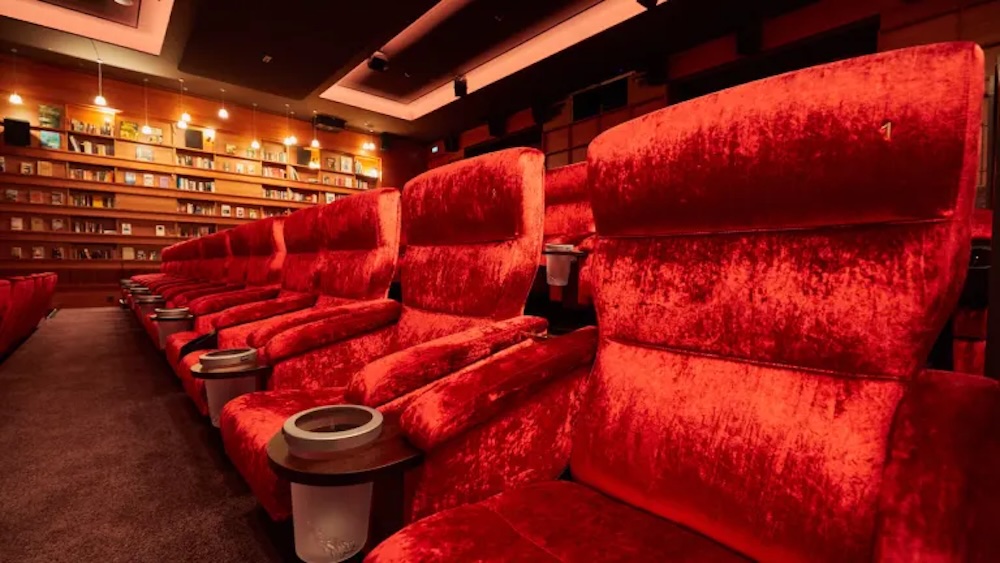
Many theaters slashed capacity to accommodate larger seats. Auditoriums that once held 250 people now hold fewer than 100. Even major blockbusters can feel strangely quiet when fewer people fill the room.
The atmosphere changes immediately.
Traditional theaters felt energetic. Every seat contributed to the crowd’s reaction. A big laugh spread through the room. A shocking twist triggered a collective response. The audience became part of the experience. Today’s recliner auditoriums often feel isolated.
Moviegoers sink into oversized chairs and create personal viewing spaces. The room feels less like a public event and more like a collection of private living rooms. The seating itself can also affect engagement.
Traditional seats naturally kept audiences upright and focused on the screen. Recliners encourage people to stretch out and settle in. Some viewers check their phones. Others drift off during slower scenes. The theater begins to resemble the same environment people left behind at home.

Not everyone enjoys reclining while watching a film.
Some moviegoers prefer a more upright viewing position. Others find extended recline uncomfortable. I often spend an entire movie sitting awkwardly because the seating position never feels natural. Instead of improving the experience, it becomes a distraction.
The higher ticket prices make the issue even harder to ignore. Luxury seating helped justify premium pricing. Many moviegoers now spend significantly more before purchasing a single concession item. That added expense makes spontaneous trips to the theater less appealing than they once were.
Supporters of recliners make fair points. Long movies benefit from additional comfort. Older audiences appreciate extra legroom. Many theaters likely survived the streaming era because they embraced premium amenities.
The problem is not comfort itself. The problem is that theaters prioritize comfort over atmosphere.
Some of cinema’s greatest moments depended on crowd energy. Fans erupted when Captain America lifted Mjolnir. Horror audiences screamed together during unforgettable scares. Packed auditoriums exploded during surprise cameos and shocking twists. Those moments happened because people experienced them together.
Theater chains understand the economics. Most customers choose comfort when deciding between a movie ticket and Netflix on a Friday night. From a business standpoint, the decision makes sense. From an audience standpoint, something feels lost.
A hybrid approach may offer the best solution. Traditional seating could coexist with recliner sections. Moviegoers could choose the experience they prefer rather than accepting a single option. Theaters cannot out-home the home.
What they can offer is a unique communal experience that streaming will never replicate. The future of moviegoing may depend on finding the right balance between comfort and crowd energy before one completely replaces the other.